
Tear or cut the Dark Rye Bread into 1–2 cm pieces and spread on a baking sheet; toast in a 180°C/350°F oven or in a skillet until very dark brown (but not burnt). This deep toasting gives kvass its signature color and roasted flavor.
Bring the Water to a near boil (just boiling) and immediately pour it over the toasted bread in a heatproof container so the bread is fully submerged. Cover and steep for 4–6 hours or overnight to extract color and flavor.
Strain the liquid through a fine sieve or cheesecloth into a large pot, pressing the bread to extract as much liquid as possible. Discard or save the spent bread for croutons or compost.
Return the strained liquid to low heat, add the White Sugar and stir until fully dissolved. Heat briefly to ensure sanitation, then remove from heat and cool the liquid to lukewarm (about 25–35°C / 77–95°F).
In a small cup, bloom the Active Dry Yeast in a few tablespoons of the lukewarm kvass liquid (or warm water) for 5–10 minutes until foamy, then stir the activated yeast into the cooled kvass.
Pour the kvass into a clean fermentation vessel, add the Raisins (they help promote secondary fermentation and act as a carbonation indicator), and cover with a clean cloth or loose lid to allow gases to escape while keeping insects out.
Leave the mixture at room temperature to ferment for 12–48 hours, tasting periodically. Shorter time yields a sweeter, mildly fizzy drink; longer time produces a more sour, tangy kvass. When it has reached your preferred balance of sweetness and tang, proceed to bottling.
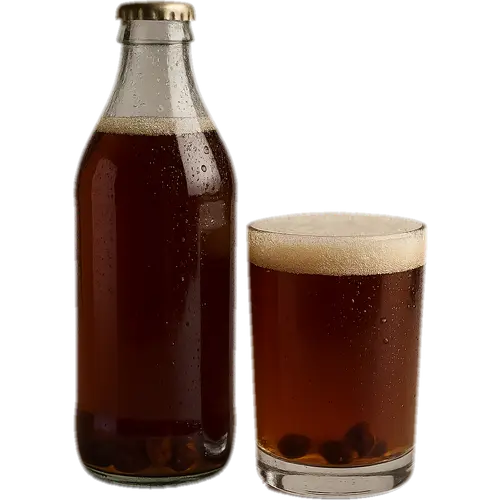
Strain the kvass into sterilized bottles, leaving about 2–4 cm (1 inch) of headspace. Optionally add a couple of fresh raisins to each bottle to encourage gentle carbonation. Seal the bottles tightly.
Place bottles in the refrigerator for at least 12 hours to chill and slow fermentation; refrigeration also helps natural carbonation develop safely. Consume within 1–2 weeks, opening carefully to relieve pressure. (Use plastic bottles or well-conditioned glass bottles and check pressure frequently to avoid overcarbonation.)